

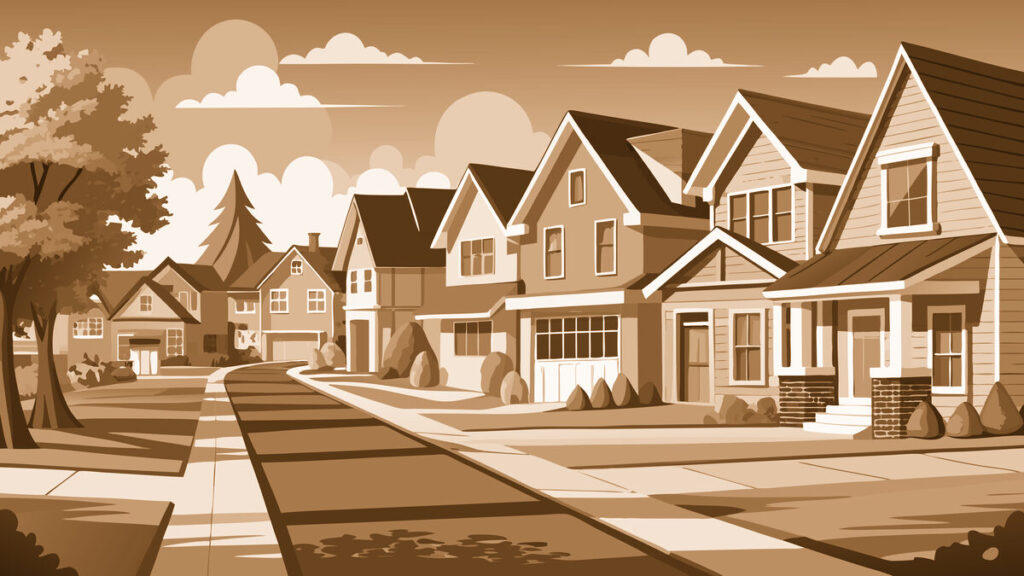
Nestled on the northern edge of Greenville, the Corey Road neighborhood tells a story that blends the best of small-town warmth, historic charm, and evolving community spirit. Whether you’re taking a leisurely drive down leafy Corey Road itself, or exploring the side streets filled with homes brimming with character, it’s clear this part of town possesses a heritage both rich and deeply valued by its residents.
Origins: A Ribbon of Road with Deep Roots
The Corey Road neighborhood takes its name from the well-traveled thoroughfare—Corey Road—that stretches from the historic 10th Street corridor northward, serving as a quiet boundary between city and country life. The area's history dates back to the early 20th century, when much of northern Greenville was characterized by farmland and woodlots. Local lore suggests that the Corey name originated from the Corey family, early landowners and entrepreneurs who operated a thriving dairy farm and later invested in the community’s growth.
This farmland, intersected by Corey Road, gradually shifted from a patchwork of small family plots to a collective whose proximity to downtown Greenville made it attractive for both settlement and enterprise. By the post-war era, the road became more than just a rural byway; it grew into a connector of people, ideas, and lifestyles.
Key Historical Milestones: From Farmland to Front Porches
The first significant boom for the Corey Road neighborhood began in the 1950s and 60s, following Greenville's expansion outward from its bustling Main Street core:
- Residential Development: What were once open fields began to host rows of brick ranches, Cape Cod cottages, and sturdy bungalows. Streets like Eastbrook Drive and Cedar Lane were plotted, each adopting its own neighborhood flavor while retaining Corey Road’s distinct boundary.
- Community Institutions: The founding of schools like Wintergreen Intermediate nearby, as well as proximity to the growing East Carolina University campus, attracted families and faculty looking for a neighborly, well-situated place to settle down.
- Places of Worship: Churches such as Corey Chapel Baptist Church, founded by local families in the 1960s, served as pillars for the community—hosting bake sales, summer picnics, and seasonal holiday events that wove new neighbors together.
- Parks and Green Spaces: The neighborhood’s close access to the Alice F. Keene District Park—a gathering spot for generations—offered hiking trails, ball fields, and an enduring welcome to residents from all walks of life.
Notable Landmarks: Where the Past Meets the Present
As you drive or stroll through Corey Road, you’ll spot echoes of its history in landmarks old and new:
- Historic Homes: Many original Corey Road residences remain, their broad porches and stately oaks testifying to the enduring appeal of mid-century American homebuilding.
- Oliver’s Crossroads: At the intersection of Corey Road and 10th Street stands this historic market corner, once a rural trading post where farmers exchanged goods and news—a gathering point that has witnessed generations of community progress.
- Alice F. Keene District Park: Not just a green space, but also a venue for local festivals, summer concerts, and children’s sports leagues—a modern-day commons for Corey Road residents.
- Lunchbox Cafés and Small Businesses: Along the southern end of the road, family-run restaurants and shops continue the neighborhood’s tradition of supporting local enterprise, echoing the entrepreneurial spirit of Corey Road’s earliest settlers.
Community Spirit: Evolving, Yet Always Connected
Over the decades, Corey Road has seen waves of change—demographic shifts, the rise (and, sometimes, revitalization) of commercial corridors, and the continual ebb and flow of families and students moving in and out. Yet the neighborhood’s enduring strengths come from:
- Diversity: Generations of ECU students, lifelong locals, and new transplants have each added their stories, food traditions, and celebrations to the fabric of life here.
- Neighborliness: Block parties, garden swaps, and the annual Corey Road Yard Sale have become anticipated events, opportunities for residents to mingle, share stories, and renew old friendships.
- Resilience: Through times of heavy growth or economic uncertainty, Corey Road residents have banded together for neighborhood clean-ups, community watch programs, and fundraising for local causes.
The Future: Honoring Heritage and Embracing Progress
Today, Corey Road continues to evolve. New development brings fresh faces and modern architectural styles, but the core principles—community, hospitality, and a love of local history—remain unchanged. As the city of Greenville continues to expand, Corey Road stands as a reminder of how progress and preservation can coexist. The neighborhood’s residents hold tightly to the traditions that make this area so unique while enthusiastically welcoming newcomers into the fold.
To know Corey Road is to walk in the steps of those who farmed its fields, built its homes, and dreamed up the neighborhood picnics and porch conversations that define its spirit. Ask anyone who’s lived here what makes Corey Road special, and you’ll hear tales of family, fellowship, and a place where Greenville’s heart beats steady and proud.
Whether you’re a lifetime resident or just passing through, Corey Road offers more than a point on the map—it’s a living heritage, enriched by all who call it home.